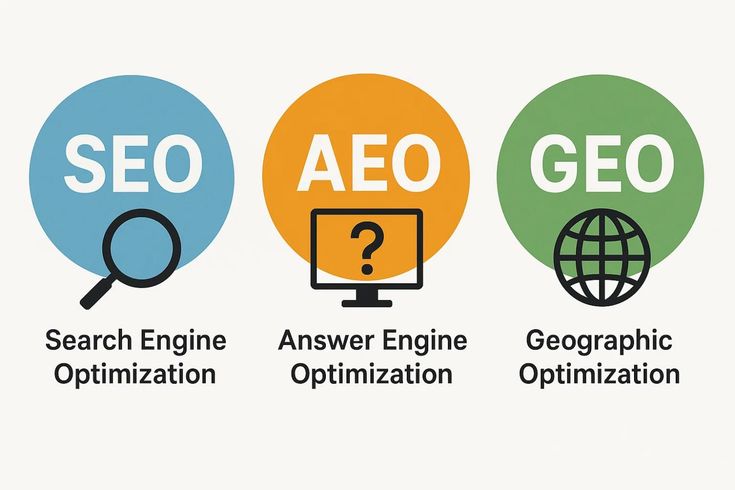
Voice search is no longer a trend — it’s now one of the main ways people find information online. With AI assistants like Alexa, Siri, Google Assistant, and Bard built into phones, speakers, and smart devices, users are shifting from typing short keywords to asking full questions aloud. This change is reshaping how content needs to be written for Answer Engine Optimization (AEO).
How Voice Search Is Changing User Behavior
In 2025, voice search continues to grow rapidly across age groups and devices. The numbers tell the story:
Over 58% of all search queries are now conversational, meaning people ask full questions instead of typing short keyword phrases.
Voice queries are longer, often averaging 5–8 words compared to the 2–3 words used in traditional typed searches.
40% of searches now result in zero-click outcomes, meaning the user gets an instant answer from AI systems without needing to open a website.
Most voice responses are short and direct — between 30 and 50 words — making clarity more important than length.
These statistics show that people want quick, spoken answers, not just web pages. This means businesses need to create content that AI assistants can easily find, understand, and speak back accurately.
Why Voice Search Matters for AEO
Voice search plays a major role in how AI answer engines select and display information. Unlike traditional search, where users scroll through multiple results, voice assistants usually deliver one main answer.
That means if your content isn’t optimized for natural speech patterns, you could miss out completely. AI systems like ChatGPT, Gemini (formerly Bard), and Perplexity rely on clear, conversational language and structured data to understand which content best matches a spoken question.
When your website uses question-based headings, concise answers, and schema markup, it signals to AI systems that your content is voice-friendly.
Key Elements of Voice Search Optimization
1. Use Natural Language
Write the way people speak. For example, instead of targeting “weather Lagos,” write content that answers:
“What’s the weather like in Lagos today?”
AI assistants are built to understand real questions, not just keyword fragments.
2. Focus on Question-Based Phrases
Include “how,” “what,” “where,” “when,” and “why” questions in your content and subheadings. These mirror the natural phrasing of voice users and help your content rank in both AI Overviews and voice responses.
3. Keep Answers Short and Direct
Since most AI assistants read back answers of around 40 words, provide concise explanations before expanding with details. The first paragraph of each section should answer the question directly.
4. Add Schema Markup
Use structured data (FAQ, HowTo, and Article schema) to help AI systems understand the context of your answers. This improves your chances of being featured in voice search results and AI-generated snippets.
5. Optimize for Local Search
Nearly 30% of voice searches have local intent — people asking about nearby stores, services, or directions. Adding local keywords like “near me” and keeping your Google Business Profile updated helps your business appear in voice assistant results.
The Opportunity Behind Zero-Click Searches
While 40% of searches now end without a click, this isn’t a loss — it’s a new opportunity. When AI assistants read your content aloud as the official answer, your brand gains authority, exposure, and trust even if the user doesn’t visit your site.
This visibility builds credibility and can lead to more conversions later, especially for local businesses and niche experts.
The Takeaway
Voice search has changed how people interact with the web. In 2025, being visible in AI-powered searches means writing for conversational intent, not just typed keywords.
Brands that structure content around natural questions, short clear answers, and schema-enhanced organization are more likely to appear as the chosen response in voice assistants and AI Overviews.